Susan Boyle Net Worth in 2026: Who She Is, Estimated Wealth, and Breakdown

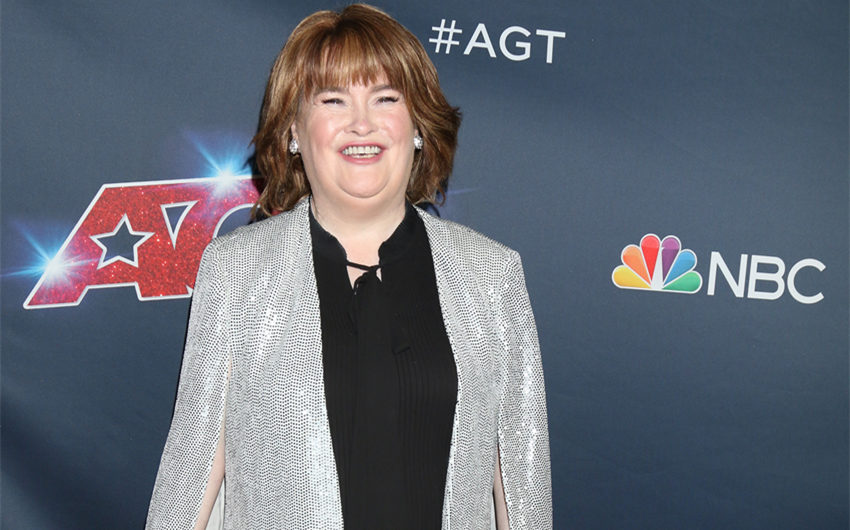
Susan Boyle’s net worth is a frequent search because her story is one of the most memorable “instant stardom” moments in modern music, followed by something even rarer: staying power. She didn’t just have one viral audition and vanish. She built a catalog, sold millions of records, and continues to earn from the kind of music people revisit for years. The exact figure isn’t publicly audited, but credible estimates consistently place her wealth in the tens of millions, and the income streams behind that wealth are easy to explain.
Who Is Susan Boyle?
Susan Boyle is a Scottish singer who became an international sensation in 2009 after her audition on Britain’s Got Talent, where she performed “I Dreamed a Dream” from Les Misérables. The contrast between how she was initially judged and what she delivered on stage became a global talking point, and that single moment turned into an album career almost immediately. She went on to release multiple albums, building a fanbase around classic songs, powerful vocals, and an accessible style that appeals to a wide range of listeners.
Estimated Susan Boyle Net Worth
In 2026, Susan Boyle’s net worth is most commonly estimated in the $30 million to $40 million range. The spread exists because different sources convert currency differently, update at different times, and make different assumptions about ongoing royalties and assets. The big takeaway is consistent: she is widely regarded as a multi-millionaire whose wealth is comfortably in the tens of millions.
It also helps to understand what net worth means. Net worth is not “how much she earned.” It is what she owns minus what she owes, shaped by taxes, management fees, legal and accounting costs, living expenses, and how much income has been converted into long-term assets such as investments and property. That’s why two estimates can differ while still describing the same overall reality.
Net Worth Breakdown
1) Album Sales: The Early Wealth Explosion
The foundation of Susan Boyle’s wealth is album sales, especially in the era when physical and digital albums still produced very large payouts. Her debut album, I Dreamed a Dream, became a global blockbuster and is widely reported to have sold around 10 million copies worldwide. A debut of that scale is a wealth engine for two reasons. First, it generates a major upfront earnings surge through sales. Second, it establishes a catalog that continues to earn afterward, because a blockbuster debut stays in circulation and becomes part of the cultural memory around an artist.
Boyle didn’t stop at one album. She released multiple projects after her debut, and her overall career record sales have been widely reported in the tens of millions. That matters because a large catalog multiplies income over time. Even if each new album sells less than the first, the accumulated effect of a long-selling discography can be enormous.
2) Catalog Royalties: Money That Keeps Arriving
Once an artist has a recognizable catalog, it becomes a form of recurring income. Royalties can flow from continued sales, streaming, and licensing uses. This is the part of the wealth story that many people forget. They think the money ends when the chart era ends. In reality, a catalog can keep paying for decades, especially if it contains songs that remain popular for events, nostalgia listening, and playlists built around classic, uplifting vocals.
The exact royalty totals are not public because they depend on contract terms and rights ownership. But the mechanism is straightforward: people keep listening, and listening keeps producing income.
3) Streaming: Smaller Per-Play, Bigger Long-Term Consistency
Streaming doesn’t pay the way old-school album booms did, but it can be consistent—especially for legacy artists with a loyal audience. Susan Boyle’s music fits the kind of listening habits that streaming platforms reward over time: familiar songs, repeated listening, and a catalog that works well in “easy listening,” “classic vocals,” and nostalgia-oriented playlists.
This helps net worth because it provides ongoing cash flow without requiring constant new releases. For an artist who is not trying to dominate pop charts every year, that steady flow can be financially meaningful.
4) Live Performances and Appearances: High Value, Even Without Constant Touring
Live performance income is often a major part of a successful music career. Even when someone isn’t doing nonstop touring, high-profile appearances and select performances can be lucrative, especially during the peak demand years right after a major breakthrough. For Boyle, the years immediately following her Britain’s Got Talent debut likely included strong performance income because global demand for live appearances was extremely high.
Like touring for any artist, performance income has costs: travel, staffing, rehearsals, insurance, and production. But even after expenses, a run of well-paid performances during peak fame can contribute significantly to long-term wealth.
5) Television and Media Value: The Brand That Keeps Selling the Music
Susan Boyle’s fame began on television, and that kind of origin story has long-term commercial value. Television exposure doesn’t only create one moment of attention. It creates a narrative that keeps getting retold, which keeps people returning to the music. That repeated cultural visibility supports album sales, streaming, licensing opportunities, and renewed interest over time.
In other words, her “story value” helps keep her catalog active. When the catalog stays active, income continues.
6) Licensing and Sync Placements: Extra Bursts of Income
Licensing, sometimes called “sync” when music is used in TV, film, or advertising, can provide meaningful payments. A widely recognizable voice and a catalog of classic songs can be attractive for producers looking to signal emotion, inspiration, or nostalgia. While specific licensing deals are rarely detailed publicly for any individual artist, this income category is a common part of long-term wealth for musicians with famous catalogs.
Sync placements can also create a ripple effect. A song used in a prominent scene or campaign often sees a streaming spike afterward, which adds another layer of value beyond the licensing fee itself.