Terence Crawford Net Worth in 2026: Estimated Wealth and How His Money Adds Up

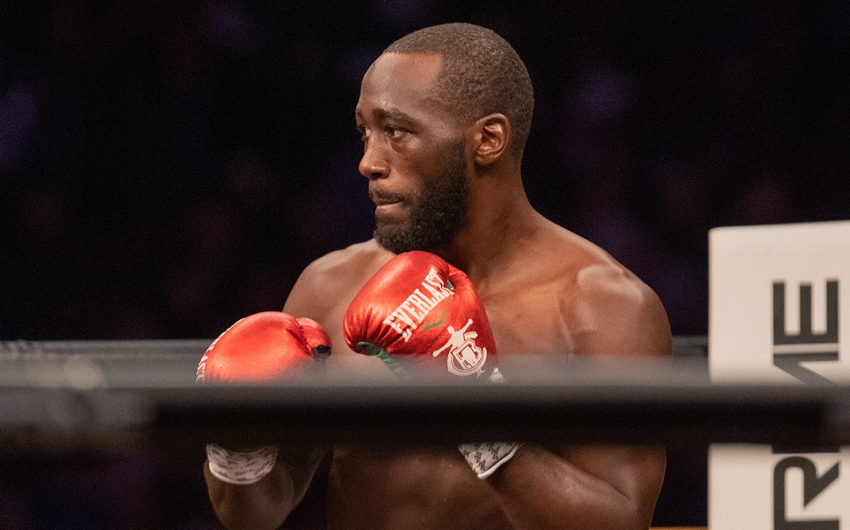
Terence Crawford’s net worth is a constant topic because his biggest fights sit at the intersection of elite performance and elite payday potential. When you’re a pay-per-view headliner, your income isn’t just a guaranteed purse—it can include backend upside tied to how well the event sells. That’s why his wealth is harder to pin down than a typical athlete’s salary-based earnings, and why estimates vary. Still, the most commonly cited figures in 2026 fall within a fairly tight range, and the main money drivers are straightforward once you break them down.
Who Is Terence Crawford?
Terence “Bud” Crawford is an American professional boxer from Omaha, Nebraska, widely recognized as one of the best pound-for-pound fighters of his era. He built his reputation through technical skill, adaptability, and championship success across multiple weight classes. Beyond boxing ability, Crawford’s financial profile is shaped by his status as a top-level attraction: he has headlined major events and fought in bouts that generated huge attention, which is exactly what increases a fighter’s leverage at the negotiating table.
Estimated Terence Crawford Net Worth
As of 2026, Terence Crawford’s net worth is most commonly estimated in the $20 million to $30 million range, with many current references clustering near the top end of that range (around $30 million).
It’s worth remembering what “net worth” actually means in boxing. It’s not the same as “career earnings.” Net worth is a snapshot of assets minus liabilities—what’s been accumulated after taxes, training camp costs, management and legal fees, lifestyle spending, and investing. A fighter can make enormous money on a few nights, but net worth reflects what they keep and build over time, not just the biggest headline payday.
Net Worth Breakdown
1) Fight Purses: The Guaranteed Money
The foundation of Crawford’s wealth is the guaranteed purse he receives to fight. At the top level, a fighter’s guaranteed money can reach eight figures, especially for title unifications, high-stakes matchups, and events with major broadcast or streaming backing.
Guaranteed purse money matters because it’s predictable compared to other boxing income. Even when a fight underperforms commercially, the guarantee is typically still paid. For net worth, this provides the steady base that allows a fighter to save, invest, and build assets without relying entirely on bonus structures.
However, it’s important to note that even “guaranteed” money isn’t pure profit. Elite fighters spend heavily to stay elite. Training camps can involve a full team—coaches, sparring partners, strength staff, nutrition support, and medical/recovery professionals—plus travel and logistics. Those costs don’t eliminate the payday, but they reduce how much of the purse becomes long-term wealth.
2) Pay-Per-View Upside: The Big Wealth Accelerator
The real wealth accelerator for a superstar boxer is pay-per-view and event upside. This is where boxing differs from most sports. When an event sells strongly, fighters at Crawford’s level can earn far more than their base guarantee.
In major PPV fights, compensation can include a share of pay-per-view revenue, a share of certain international rights, and sometimes additional bonuses tied to gate performance (ticket sales). This is why you often see post-fight reporting that a fighter “made far more than the guarantee.” A single blockbuster night can add millions to a fighter’s lifetime earnings, and it’s one reason net worth can jump quickly after one especially successful event.
This upside also explains why estimates vary. Exact PPV terms are often private, and reported totals can differ depending on which revenue streams a report includes. Some numbers describe guaranteed money only, while others include projected PPV shares. That lack of transparency is normal in boxing, and it’s why net worth figures should be treated as informed estimates rather than precise accounting.
3) Career Earnings Momentum: Why One Mega-Fight Changes Everything
Crawford’s career earnings profile is shaped by a key reality: boxing pay is not evenly distributed. Many fighters earn modestly early, then see enormous jumps when they become champions or headliners. A fighter can spend years building a résumé and then make a large portion of their lifetime earnings in a handful of events once they’re positioned as the “A-side.”
That’s why the biggest nights matter more than total fight count. Crawford’s financial rise is closely tied to reaching the level where major events are built around him and where his negotiating power increases. When you’re the headliner, you can demand higher guarantees, better backend terms, and a bigger share of the event’s total economics.
4) Sponsorships and Endorsements: Money Between Fights
Endorsements are the second pillar of Crawford’s income. For top fighters, sponsorships can include apparel and equipment partnerships, sports nutrition relationships, and brand deals that leverage their public profile. These partnerships matter because they provide income that doesn’t depend on fight scheduling.
Boxers don’t fight every week, and even elite stars may fight only once or twice a year. Endorsements help fill that gap. They can also be high-margin compared to fighting income because the costs are relatively low. A sponsorship agreement typically doesn’t require months of camp, physical risk, or the same level of expenses as preparing for a title fight.
Endorsements also tend to compound. The more visible the fighter becomes, the more valuable they are to brands. Big fights can increase sponsorship value, which then increases future sponsorship terms. Even if the public doesn’t know the exact dollar amounts, brand partnerships are a meaningful and repeatable wealth source for a fighter at Crawford’s level.
5) Negotiation Leverage: The “A-Side” Effect
At the very top, wealth isn’t only about what happens in the ring. It’s also about negotiating power. Fighters who can sell an event—through reputation, rivalry, style, or fanbase—often earn more than fighters who are equally talented but less marketable.
Crawford’s leverage comes from credibility and accomplishment. When a fighter is considered the best in a division or is tied to legacy-defining fights, the business side becomes more favorable: higher guarantees, better backend participation, and stronger control over event terms. This leverage can also influence sponsorships, because brands prefer athletes who appear on the largest stages.
6) Costs That Reduce “Headline Money” Into Real Net Worth
One reason Crawford’s net worth estimate may look lower than his biggest reported paydays is that elite boxing has elite costs.
Taxes can take a major share of income, especially when a fighter earns eight figures in a single year.
Training camps are expensive, and those costs repeat for every fight.
Professional fees matter too—management, legal support, accounting, and business structuring are common for top fighters.
Life expenses and asset choices also shape net worth. Some athletes invest heavily and grow wealth quickly; others spend aggressively and keep less. Because the public can’t see private investing decisions or liabilities, net worth estimates can’t fully capture the true picture.
7) Investments and Asset Building: The Private Side of Wealth
The biggest unknown in any fighter’s net worth is what happens after they get paid. Real estate, business ventures, and diversified investments can significantly increase net worth, but most details are private. Likewise, liabilities such as mortgages or business obligations can reduce it.
This is why a $20–$30 million range is the most reasonable way to discuss Crawford’s net worth in 2026. It acknowledges the reality of major paydays while also recognizing that net worth depends on retention and asset-building, not just earnings headlines.