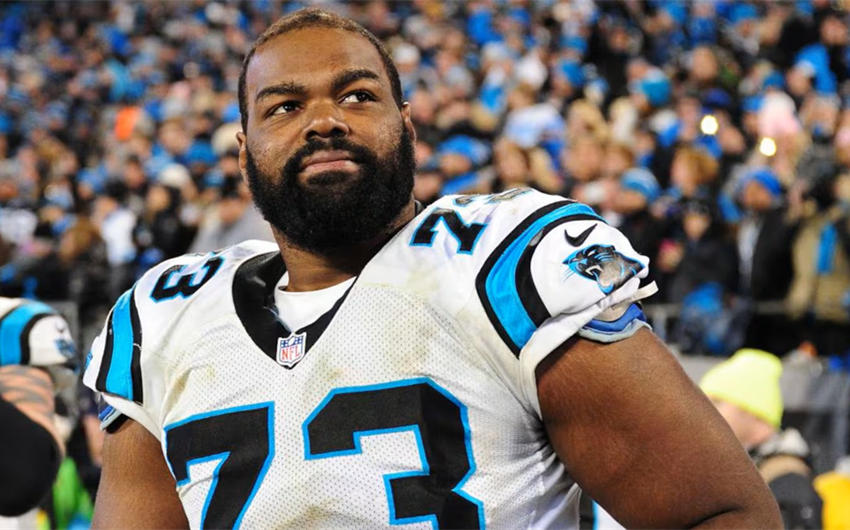
Michael Oher Net Worth: Estimated Wealth and How He Earned His Money
Michael Oher’s net worth is widely discussed because his story became famous through both football and pop culture. But unlike a public-company executive, Oher doesn’t release audited financial statements, so any figure you see is an estimate. The most reliable way to understand his wealth is to start with what’s publicly trackable—his NFL career earnings—then factor in the realities that shape an athlete’s net worth: taxes, career expenses, investing decisions, and post-football income.
Who Is Michael Oher?
Michael Oher is a former NFL offensive tackle who played eight seasons in the league. He entered the NFL as a first-round draft pick in 2009 and later won a Super Bowl with the Baltimore Ravens. He also played for the Tennessee Titans and Carolina Panthers during his career.
Oher became a household name outside sports because his life story was popularized through The Blind Side. In recent years, he has also been in the news for legal disputes connected to the conservatorship arrangement involving the Memphis couple, Sean and Leigh Anne Tuohy, who were associated with his story’s public narrative. That dispute added complexity to how people interpret the “money side” of his fame, because it raised questions about what he did or didn’t receive from story-related deals.
Estimated Net Worth
Most realistic estimates place Michael Oher’s net worth in the $12 million to $22 million range, with many discussions clustering around the mid-teens. This range fits what we can infer from his verified NFL earnings and the typical financial lifecycle of an NFL lineman after taxes, agent fees, career overhead, and retirement planning.
It’s important to keep one key distinction clear: career earnings are not net worth. Career earnings reflect gross pay over time. Net worth is what remains after expenses and obligations, plus the value of assets (like investments or property) minus liabilities (like mortgages or other debt). A player can earn tens of millions and still end up with a much smaller net worth if spending is high or investments go badly. On the flip side, disciplined saving and investing can preserve a large portion of those earnings long after retirement.
Net Worth Breakdown
NFL salary: the foundation of his wealth
Oher’s primary wealth engine was football. Over eight seasons, he earned substantial NFL income through multiple contracts. This is the most concrete part of his financial story because NFL contract totals and season-by-season pay are widely tracked.
However, the “big number” people quote from salary trackers is gross cash earned before reductions. From a realistic net worth standpoint, you have to subtract what an athlete typically pays along the way: federal taxes, state taxes (which can vary based on where a team is located and where games are played), agent commissions, and ongoing professional expenses tied to being an NFL player.
Even with those reductions, an athlete with Oher’s earnings history can still end up with a strong multi-million-dollar net worth—especially if they avoided major financial mistakes and invested steadily.
Career costs: the money people don’t see
The public tends to look at athlete income like pure profit, but pro football careers come with heavy overhead. Players often pay for specialized training, nutrition, rehabilitation, off-season housing and travel, and support teams that include agents, financial advisors, and attorneys. Some of those costs are optional, but many are essential to staying on the field and extending a career.
Then there’s the bigger reality: football is physically punishing. Medical and recovery needs can increase later in life, and even during a career, injuries can force spending on training and rehab that most people never encounter. None of this erases wealth, but it explains why net worth is typically far lower than gross career earnings.
Endorsements and public appearances
Because Oher was widely known through both the NFL and The Blind Side, he likely had opportunities for speaking engagements, appearances, and brand-related work. For many athletes, this category can be meaningful supplemental income, especially if they have a strong public story that organizations want to feature.
That said, endorsements for an offensive lineman generally don’t compare to what quarterbacks or superstar skill-position players earn. The more responsible way to view this category is as a supporting stream that could add cash flow over time, not the main driver that multiplies net worth dramatically.
Story-related income and why it’s hard to model
A common assumption is that a movie about someone’s life automatically makes them rich. In reality, entertainment money depends on contracts, rights agreements, and who legally controlled what at the time deals were signed. Oher has publicly raised claims that he did not receive the kind of film-related money people assume, while the Tuohy family has disputed aspects of his allegations.
From a net worth standpoint, the key point is simple: it is not responsible to treat movie income as a guaranteed, major contributor without clear, verified documentation. The dispute itself creates uncertainty, which is why most sensible estimates keep story-related money as a “possible factor” rather than a locked-in, countable asset.
Investments and asset-building after football
The biggest difference between athletes who stay wealthy and athletes who lose money after retirement usually comes down to investing and asset discipline. Many financially stable former players build their post-career net worth by doing relatively boring things: diversified investing, real estate ownership, and long-term planning that reduces the need to spend down principal.
Because Oher’s private holdings are not publicly itemized, you can’t responsibly list specific investments or properties as facts. But it is reasonable to assume that if he maintained a multi-million net worth after retirement, some portion of it is tied to asset building rather than just leftover cash from playing years.
Legal costs and the “wealth drag” people overlook
Legal disputes can be expensive and time-consuming, and they can affect income in indirect ways by pulling someone into prolonged controversy. Even if a person remains financially strong, legal fees and related costs can reduce liquidity and impact net worth at the margins.
That doesn’t mean the legal situation defines his finances. It simply means there is a real-world cost to long-running public disputes—another reason why any net worth number should be treated as an estimate rather than a precise total.
Featured Image Source: https://en.as.com/nfl/what-is-michael-ohers-net-worth-how-much-did-he-get-paid-for-the-blind-side-n/