Ryan Coogler Net Worth in 2026: Estimated Wealth and How He Makes Money

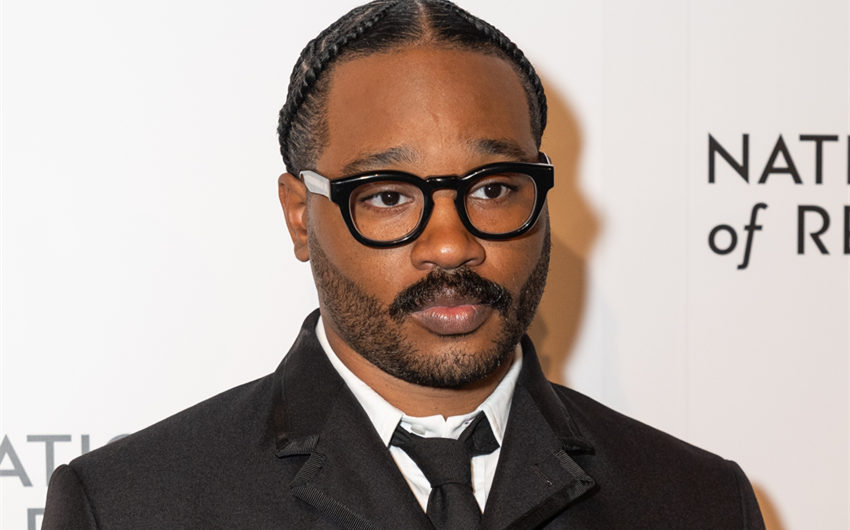
Ryan Coogler’s net worth is a frequent search because he’s one of the rare modern filmmakers who combines critical credibility with blockbuster-scale commercial power. He’s directed franchise-defining hits, built a production company, and negotiated deals that give him more creative and financial upside than most directors ever see. While no public source can audit his finances line by line, multiple reputable estimate outlets land in the same general range and the big income drivers are easy to map.
Who Is Ryan Coogler?
Ryan Coogler is an American filmmaker best known as a writer and director behind major films such as Fruitvale Station, Creed, Black Panther, and Black Panther: Wakanda Forever. He’s widely viewed as one of the most influential directors of his generation because he’s been able to make culturally significant films that also perform at the highest commercial level. Beyond directing, he is also a producer and a business operator, building projects through his own production infrastructure rather than working strictly as a hired director-for-hire.
Estimated Ryan Coogler Net Worth
As of 2026, Ryan Coogler’s net worth is most commonly estimated at around $25 million.
That figure is best understood as a public estimate rather than a confirmed bank statement. Net worth is what someone owns minus what they owe, and it’s shaped by taxes, representation fees, living costs, and—most importantly—how much income has been converted into long-term assets. A filmmaker can earn a huge amount in one deal but see net worth rise more gradually depending on how the money is structured and when it is paid.
Net Worth Breakdown
1) Directing and Writing Fees: The Base Layer
Coogler’s foundation comes from the straightforward part of the film business: being paid to write and direct. Once a director proves they can deliver both awards-level work and box-office-scale success, the “upfront” checks become larger and more consistent. That’s especially true when a director is also a writer, because writing adds another paid credit and strengthens negotiating power.
In simple terms, his early success established him, and his later success raised his rate. Each successful film tends to push the next deal higher because studios are paying not only for craft, but for reliability, audience trust, and the ability to lead huge productions.
2) Franchise Success: Why Black Panther Changed the Financial Math
Franchise movies can radically change a filmmaker’s wealth because they introduce a new class of compensation: leverage. A director attached to a world-changing blockbuster isn’t just paid for labor; they gain negotiating power for future projects. That can show up as higher fees, better backend terms, or more control over future work.
Coogler’s role in shaping the Black Panther films matters because those titles sit at the intersection of cultural impact and major studio revenue. When a filmmaker becomes essential to a franchise identity, they can often negotiate terms that are closer to what top producers and A-list stars receive—especially if they are also writing and producing.
3) Producing Income: Getting Paid Beyond the Director’s Chair
Coogler’s wealth isn’t only built on directing. Producing adds another layer of earnings because it can include producer fees, executive producer credits, and participation structures tied to projects. Producing is also a career stabilizer. Even when a director isn’t actively filming, producer roles can keep income flowing through development, packaging, and ongoing projects under a production banner.
This is one reason people who move into producing often see their financial profile strengthen over time: they’re no longer paid only when they’re personally on set. They’re paid because they are building and overseeing a pipeline.
4) Proximity Media: Building a Company, Not Just a Filmography
A major part of Coogler’s modern money story is Proximity Media, the production company he co-founded with Zinzi Coogler and producer Sev Ohanian. This matters for net worth because a company can generate value beyond individual paychecks. A production company can earn through producing fees, development deals, executive producer credits, and partnerships with studios and platforms.
Production companies also create long-term leverage. Instead of negotiating every project as a one-off job, a filmmaker can negotiate broader agreements, package multiple projects, and build recurring revenue streams. In Hollywood, that shift—from individual creator to company builder—is often what separates “high earner” from “lasting wealth.”
5) Studio Deals and Platform Partnerships: The Quiet Multipliers
High-level creators often sign overall deals that pay them to develop projects for a studio or platform over multiple years. These deals can be valuable because they offer guaranteed money, development funding, and recurring opportunities to produce content. For a filmmaker with Coogler’s track record, platform and studio partnerships can become a steady backbone underneath the more visible blockbuster checks.
This category is also where public visibility tends to drop. The public may hear that a deal exists, but the exact dollar amounts and performance incentives often aren’t disclosed in full detail. Even so, in the wealth picture, these agreements matter because they create predictable income and expand the number of projects earning simultaneously.
6) Breakthrough Deal Terms: Rights, Participation, and Long-Term Upside
One of the biggest reasons Coogler is discussed as a financially powerful modern filmmaker is that reporting around his recent work has emphasized unusually creator-friendly deal terms. In Hollywood, the difference between “rich” and “very rich” is often not the upfront fee, but the rights and participation: profit participation, bonuses tied to performance, and long-term ownership elements that keep paying for years.
When a filmmaker negotiates for creative control, a share of revenue, or rights that revert over time, the project can become an asset rather than a one-time job. Those structures don’t always show up clearly in net worth estimates right away, but they can be the reason wealth accelerates later.