Billie Holiday’s Husband: The Men She Married and Why It Still Matters

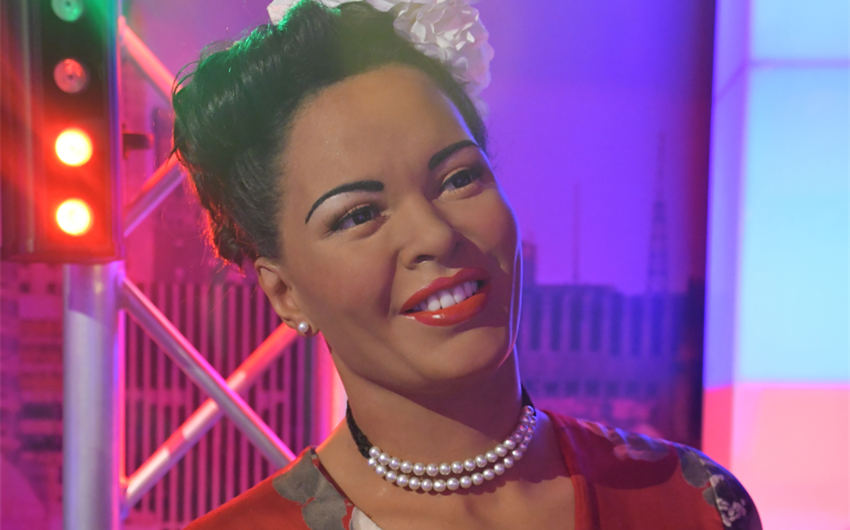
Billie Holiday’s husband is one of those topics people search because it feels like a shortcut to understanding her life. The reality is that her marriages weren’t a footnote—they were tangled up with the same forces that shaped her career: love, control, addiction, money, and survival in an era that gave Black women very little protection. If you want the clear answer, she married Jimmy Monroe first and later married Louis McKay. The fuller answer is what those relationships reveal about her world.
Quick Facts About Billie Holiday’s Husbands
- First husband: Jimmy Monroe (married 1941; divorced 1947)
- Last husband: Louis McKay (married 1957; separated later but still married when she died in 1959)
Billie Holiday’s First Husband: Jimmy Monroe
Billie Holiday’s first husband was Jimmy Monroe. She married him in 1941, at a point when her career was already rising and her name was becoming undeniable in jazz and popular music. On paper, a marriage during a breakthrough era sounds like stability. In practice, it often becomes a pressure cooker—especially when one person is accelerating into fame and the other is trying to keep control of the orbit around that fame.
Monroe is frequently described in biographies as a musician and a figure connected to nightlife management. Even if you strip away the harsher labels that sometimes get attached to him online, the pattern you see repeated is this: the relationship was unstable, and it didn’t protect Billie from the forces harming her. If anything, it placed her closer to environments where substance abuse and exploitation were common.
There’s also a recurring theme in many retellings: Billie’s drug use deepened during this period. It’s important to say this carefully, because people love a clean villain story. Addiction rarely has a single cause, and Billie Holiday’s trauma didn’t begin with any husband. She lived through poverty, assault, racism, and relentless professional pressure long before she married. Still, the early 1940s were a turning point, and the marriage did not help her find safer footing.
Why the Monroe Marriage Fell Apart
Billie Holiday and Jimmy Monroe divorced in 1947, after years of deterioration. When you ask why, most explanations come down to the same three pressures that destroy a lot of relationships—except they were magnified for her:
Fame changed the balance. Billie wasn’t just successful; she was becoming iconic. Fame can turn marriage into a business arrangement without anyone meaning to. Suddenly there are gatekeepers, schedules, money, jealousies, and people whispering in both ears.
Addiction changed the atmosphere. Addiction doesn’t simply create problems; it changes how problems get handled. A disagreement becomes a rupture. A bad day becomes a crisis. Trust gets replaced by suspicion and coping mechanisms.
Control and instability became normal. For Billie, “normal” was already hard. She was operating in an industry that exploited women and underpaid Black artists while expecting them to perform gratitude. A marriage layered on top of that didn’t function as a refuge.
The divorce didn’t end her struggles, of course. But it did mark the close of her first attempt at building a conventional “home life” around a deeply unconventional existence.
What About Joe Guy?
If you’ve gone down the rabbit hole, you’ve probably seen Joe Guy’s name pop up as a “husband” in some places. Joe Guy was a trumpeter and a significant romantic partner in Billie Holiday’s life. The confusing part is that some sources claim they married, while other reputable biographies point out that there’s no solid evidence of a legal marriage.
The most honest way to think about Joe Guy is this: whether or not there was paperwork, he mattered in her life—and the relationship overlapped with the most difficult period of her addiction and legal troubles. People often fixate on the “husband” label because it’s tidy. But Billie’s relationships weren’t tidy. They were lived in the margins between love, dependence, and the chaos surrounding her.
Billie Holiday’s Last Husband: Louis McKay
Billie Holiday’s last husband was Louis McKay, whom she married in 1957. By then, her life had already been battered by arrests, health problems, and professional obstacles that would have ended many careers. She was still performing, still recording, still fighting for air—artistically and literally.
McKay is often described as connected to organized crime circles and as someone who took an intense, controlling role in her life. The details differ depending on the biography you read, but the overall portrait is consistent: this marriage did not deliver peace. In many tellings, it added another layer of volatility.
One of the most sobering facts about this marriage is what it meant financially and legally at the end of Billie’s life. They were reportedly separated later, but they remained married when she died in 1959. That legal status mattered, because it influenced who had claims to her estate and royalties. When you’re talking about Billie Holiday, the personal and the financial were never separate for long.
Was Louis McKay “Good” or “Bad”? The Question Is Too Small
It’s tempting to frame McKay as a simple villain, because it provides emotional closure. But Billie Holiday’s story doesn’t cooperate with neat categories. She was a woman who had been harmed repeatedly and still kept singing. People like that sometimes end up in relationships that mirror earlier harm—not because they want pain, but because pain has been normalized and safety feels unfamiliar.
That doesn’t excuse abusive behavior if it occurred. It just explains why “Why didn’t she leave?” is the wrong question. A better question is: what conditions made it so hard for her to access stable support, medical care, and protection—especially as a Black woman in mid-century America with a public reputation and a target on her back?
Her marriages weren’t isolated mistakes. They were symptoms of a larger system that profited from her talent while letting her suffer privately.
How Marriage Intersected With Billie Holiday’s Legal Troubles
Billie Holiday’s life cannot be separated from the ways law enforcement treated her. She was policed aggressively, arrested more than once, and constantly pressured in ways that went beyond “a celebrity making bad choices.” That pressure shaped her relationships because it shaped everything: who she could trust, where she could go, and how she tried to cope.
When someone is under surveillance—formal or informal—relationships become strained. You can’t relax. You can’t plan. You can’t believe the future is guaranteed. Add addiction and physical illness to that mix, and even love can start to feel like a threat because it comes with the possibility of abandonment, betrayal, or exposure.
This context is why focusing only on “Billie Holiday’s husband” can be misleading. Her marriages weren’t simply about who she loved. They were about who had proximity to her during her most vulnerable years—and what that proximity cost her.
Why Billie Holiday Didn’t Have Children
Another common question that follows the husband topic is whether she had children. Billie Holiday did not have biological children, and that fact often gets interpreted through a moral lens—either pity or judgment. Neither is necessary.
Her life was physically punishing, marked by trauma and poor health, and it unfolded in an era when women had far fewer choices and far less medical support. It’s also worth remembering that “stability” wasn’t a baseline for her. When someone spends years fighting to survive emotionally and financially, parenthood may not feel accessible, safe, or even possible.
What Her Husbands Reveal About Her Story
Billie Holiday’s marriages reveal something uncomfortable: she was celebrated and unprotected at the same time. Audiences adored her voice. Clubs sold out. Records moved. But she lived with constant vulnerability—especially around money, health, and control of her own life.
Jimmy Monroe represents an early chapter: a young star trying to build a life while the industry and addiction pulled at her from every direction. Louis McKay represents the late chapter: a woman already worn down, still trying to hold onto love or security, and still surrounded by people who could benefit from her proximity to fame.
If you want to honor her legacy, it helps to resist the gossip framing. The point isn’t to judge her choices like a spectator. The point is to understand what her choices were up against.
The Most Accurate Answer, in Plain English
So, who was Billie Holiday’s husband?
Her first husband was Jimmy Monroe, and their marriage ended in divorce in 1947. Her last husband was Louis McKay, whom she married in 1957 and was still legally married to when she died in 1959.
And if you want the deeper truth: her marriages are part of the same story her music tells—about longing, harm, resilience, and the high price of being a genius in a world that didn’t know how to keep her safe.