Danny DeVito Net Worth in 2026: Estimate, Career Earnings, and Wealth Breakdown

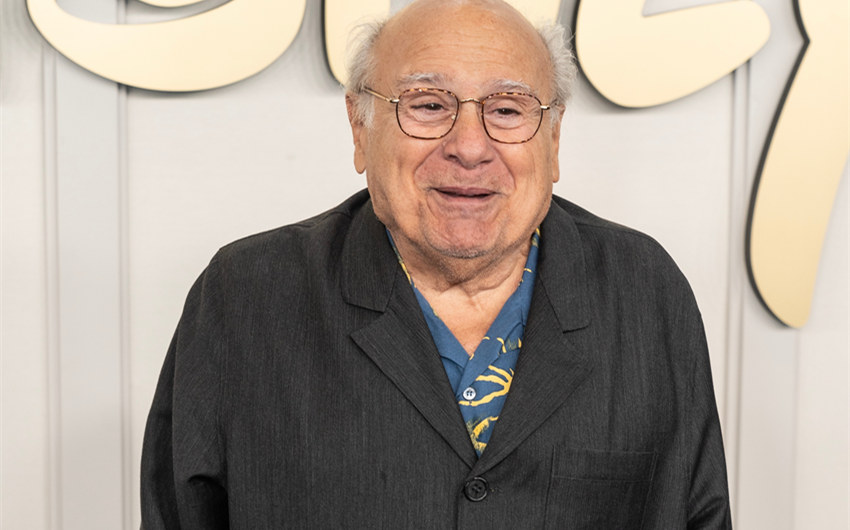
Danny DeVito’s net worth is one of those topics where the headline number is simple, but the reasons behind it are far more interesting. He didn’t build wealth from one blockbuster payday. He built it through decades of acting, smart producing moves, and long-running television work that kept paying even when he wasn’t the star of the moment.
Who Is Danny DeVito?
Danny DeVito is an American actor, comedian, director, and producer whose career spans more than five decades. He became widely known as Louie De Palma on TAXI, then turned into one of Hollywood’s most recognizable screen presences with roles in films like Twins, Batman Returns, and Matilda. In later years, he gained a second wave of pop-culture relevance through It’s Always Sunny in Philadelphia, where his character Frank Reynolds became central to the show’s identity.
What makes DeVito’s wealth story different from many actors is that he’s not only a performer. Over time, he also became a builder behind the scenes through producing and directing, which can create longer-lasting financial upside than acting fees alone.
Estimated Net Worth
Danny DeVito’s net worth is most commonly estimated at around $80 million.
This isn’t an official, audited figure—celebrities rarely publish complete financial statements. But the estimate fits the shape of his career: steady, high-value work over decades, plus business-side participation that can compound wealth beyond a typical acting paycheck.
Net Worth Breakdown
Film acting income that stacked over decades
DeVito’s movie career spans a rare range: big studio comedies, family films, darker character roles, and voice work. That variety matters because it means he wasn’t dependent on a single trend. When one era cooled off, another lane opened. The result is the kind of long, steady accumulation that often creates major net worth.
He also benefited from being a “reliable draw” as a character lead and scene-stealer. When a performer becomes instantly recognizable and consistently delivers, they keep getting hired—sometimes for decades. That repeat demand is one of the most practical explanations for how an actor builds wealth without needing to be the number-one box office star every year.
Long-running television as a consistent wealth pillar
Long-running television can be a quiet fortune builder. When a show lasts many seasons, it creates steady income and often adds back-end value through ongoing distribution and long-tail viewership. DeVito’s work on It’s Always Sunny in Philadelphia didn’t just keep him visible—it gave him a consistent earning platform that renewed year after year.
Even when television pay isn’t as “headline-friendly” as movie salaries, it can be more reliable. The consistency of a long-running show can support investing and asset building without the income swings that come with the film industry’s unpredictable cycles.
Producing and ownership-style earnings
If you want to understand why DeVito’s wealth estimate remains high, look at producing. Acting pays you for your time. Producing can pay you for the success of the project, sometimes long after filming ends, depending on how the deal is structured.
When you’re involved behind the scenes, you’re not only earning a fee—you may be participating in the upside of a film or series as it finds audiences over time. That kind of participation is where entertainment wealth can compound, because you’re building assets and credit history, not just collecting paychecks.
Directing and creative leadership
Directing adds another layer of income and career leverage. It can also increase a person’s overall market value in the industry. When an entertainer can act, direct, and produce, they become more than talent—they become a decision-maker, which can lead to better deals, more control, and additional revenue streams.
While directing alone doesn’t always create massive wealth, it often works as a multiplier. It expands the number of projects you can profit from and strengthens your ability to negotiate favorable terms.
Commercials, appearances, and high-value opportunities
DeVito also benefits from the kind of fame that converts well into commercials and premium appearances. Brands love a celebrity who delivers instant recognition in seconds. For the celebrity, these deals can be high-margin: a short shoot can generate substantial pay, often with fewer costs than a film production schedule.
This category may not be the biggest slice compared to decades of acting and producing, but it can meaningfully boost earnings—especially when the person has cross-generational recognition.
Voice work and licensing-friendly roles
Voice acting can be an underrated part of a long-term wealth story. It keeps an entertainer active, opens family-friendly lanes, and can lead to recurring opportunities if a project becomes a continuing property. Even when voice work isn’t the main wealth driver, it adds diversification—exactly what helps keep a net worth strong across shifting entertainment trends.
Real estate and long-term asset building
At an eight-figure net worth level, wealth is rarely “all cash.” High net worth usually includes assets like property and investments that preserve value beyond the next role. Real estate often plays that stabilizing role: it can appreciate, it can diversify risk, and it can hold value regardless of whether someone books a new film next year.
Because private holdings aren’t fully public, it’s not responsible to list specific assets as fact here. The practical point is that long-term high earners typically convert a portion of their income into lasting assets, and that asset base helps explain why net worth stays strong even during quieter career periods.