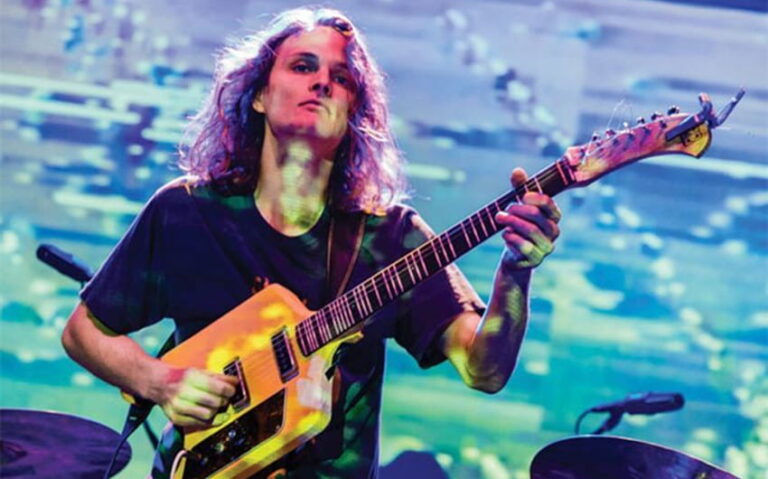
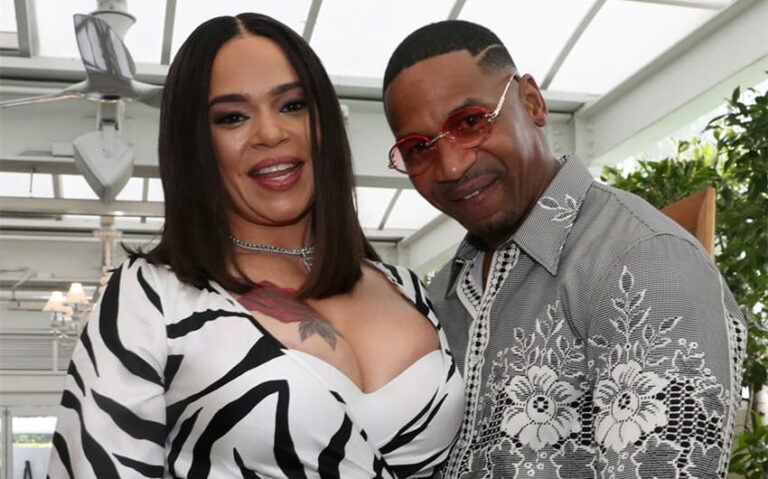
DJ Diddy Net Worth: Estimated Wealth and How the DJ Makes His Money


DJ Diddy’s net worth depends on which “Diddy” you mean, because the name has been used by multiple public figures. In music headlines, “Diddy” often points to Sean Combs, but the search phrase “DJ Diddy” most commonly refers to the American club DJ and viral creator who later rebranded as NOT AGN. That’s the person this article focuses on. His finances aren’t publicly audited, so there’s no single confirmed number—only estimates based on his popularity, touring footprint, and creator-style income streams.
Who Is DJ Diddy?
DJ Diddy is the stage name that helped a Bronx-born American DJ build a strong following through club performances, festival bookings, and viral social media clips. He became known for open-format sets and short-form content that traveled fast online, especially during the years when TikTok helped DJs turn edits, remixes, and crowd moments into constant marketing.
In 2025, he publicly shifted branding and began using the name NOT AGN, aiming for a more artist-forward identity rather than a purely viral-DJ persona. Rebrands like this usually signal a business change as much as an artistic one: moving from “bookings + content” toward “original music + touring + higher-value partnerships.”
Estimated Net Worth
Because DJ Diddy/NOT AGN does not publish financial statements, the best you can do is an estimated range. A realistic estimate places DJ Diddy’s net worth at roughly $1 million to $5 million, with many online trackers clustering around the upper end of that range. The wide spread exists for a simple reason: creator income is volatile, and outside observers can’t reliably see private booking fees, sponsorship contracts, taxes, or how much is reinvested into music production and touring.
If you want a practical way to interpret the estimate, think of it like this: he’s likely a multi-millionaire on paper if his touring and sponsorship income has stayed consistent across multiple years, but the exact number can swing sharply depending on expenses, deal structures, and how aggressively he invests in growth.
Net Worth Breakdown
Live DJ bookings and performance fees
For most DJs who aren’t stadium-level superstars, live bookings are still the core cash engine. Nightclubs, college events, festivals, and branded parties pay performance fees that can range from modest to very high depending on demand, location, and the artist’s momentum at that moment.
DJ Diddy’s advantage is that he built a name that promoters could market. When a DJ is “known online,” they often command higher fees because the booking comes with built-in promotion: fans show up to see the person, not just hear music. Over time, repeated bookings can create a strong annual income base, especially during peak seasons.
Social media monetization and the “viral funnel”
Short-form virality can directly translate into money, even without a record deal. DJs monetize social platforms through a combination of creator payouts (where available), paid collaborations, brand sponsorships, affiliate links, and promotional packages tied to appearances.
This income stream matters for net worth because it can be high-margin. A brand deal or sponsored post can pay well without the operational costs of touring. And when social content consistently drives attention, it increases the value of everything else—booking fees rise, sponsorship rates rise, and music releases get more immediate traction.
Sponsorships and partnerships
Brands like working with DJs who have two things at once: an audience that trusts them and a lifestyle that looks “event-ready.” Sponsorships can include:
paid posts, brand integrations at shows, long-term ambassador roles, and bundled deals where a DJ promotes both online and on-site at events.
If a DJ has sustained engagement—rather than a single viral spike—sponsorship money can become one of the most predictable income lanes. It’s also one of the main reasons net worth estimates can jump quickly in the creator era: sponsorships can add a large amount of income without requiring an album cycle.
Music releases, streaming royalties, and catalog value
Original music changes the long-term wealth story. DJ income can be strong but often depends on staying booked. Music, on the other hand, can become an asset. Even if streaming payouts per play are not massive, a growing catalog can earn steadily over time, and one breakout track can create licensing opportunities, higher fees, and festival-level positioning.
The rebrand toward NOT AGN suggests a push in this direction—more emphasis on releases, a clearer sonic identity, and a music-first career structure. If that strategy works, it can raise net worth faster than a booking-only path because it builds an intellectual property library that keeps earning even when the artist isn’t performing every weekend.
Merchandise and direct-to-fan sales
Merch can be a meaningful enhancer for DJs with recognizable branding. It usually performs best when paired with touring—fans buy it at shows because it’s a souvenir and a signal of belonging. Even if merch isn’t the biggest part of the pie, it can add a steady stream during active touring periods, and it can help fund reinvestment into production and marketing.
As a net worth driver, merch is less about one huge payday and more about building a repeatable business layer that doesn’t rely entirely on platform algorithms.
Business structure and “ownership value”
One hidden factor in net worth estimates is whether the DJ operates as a true business. If DJ Diddy/NOT AGN runs a structured entity—with branding assets, monetized channels, recurring sponsorship relationships, and a scalable content system—that business itself can be valuable beyond annual income.
This is where many online net worth figures get fuzzy. Some estimates treat a creator’s brand like a business asset (which can inflate the number), while others treat net worth as personal cash and property only (which can lower the number). The truth typically sits in the middle: a creator brand does have value, but it’s only as valuable as its stability and growth.
What can shrink the number: expenses, taxes, and reinvestment
DJs and creators often look richer than they are because fans see gross revenue but not the costs. A serious DJ operation can include:
manager and agent commissions, travel, lodging, content production, editing, music production costs, marketing, equipment, insurance, and taxes.
If he is pushing hard into the NOT AGN era—more releases, more production, bigger visuals, better branding—he may be reinvesting heavily. Reinvestment can reduce short-term profit while increasing long-term career value, which is one reason net worth estimates can fluctuate depending on what year you’re looking at.
Featured Image Source: https://open.spotify.com/artist/6DXnx0ReU1wnf4RpMIIK3B