Hakuhō Shō Net Worth: Who He Is, Estimated Wealth, and a Clear Breakdown

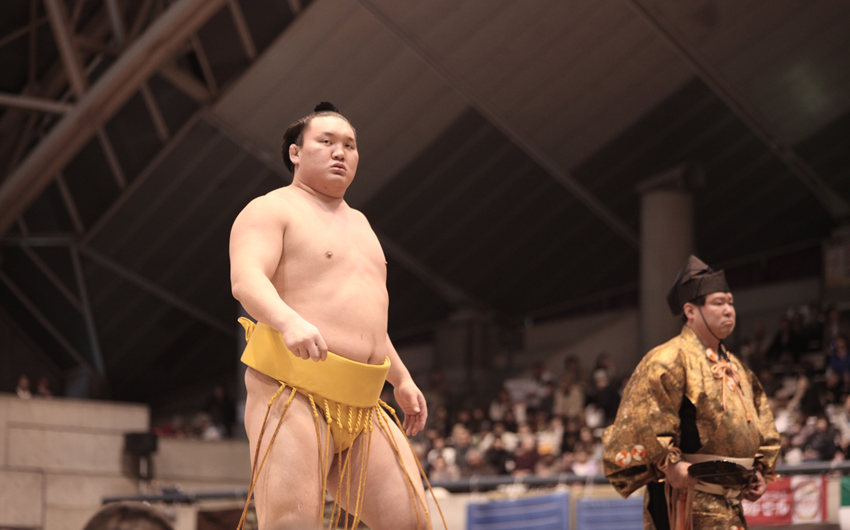
Hakuhō Shō net worth is often described with big, confident numbers online, but the reality is more nuanced. Sumo doesn’t work like the NBA or Premier League, and top rikishi don’t publish audited personal financial statements. That means any number you see is an estimate—best understood by looking at what a long-reigning yokozuna can realistically earn, how sumo’s prize systems work, and what Hakuhō has done after stepping away from active competition.
Who Is Hakuhō Shō?
Hakuhō Shō is the ring name of Mönkhbatyn Davaajargal, a Mongolia-born, naturalized Japanese former professional sumo wrestler widely regarded as one of the greatest in the sport’s history. He became a yokozuna—the highest rank in sumo—and spent years dominating the top division with an unmatched championship record. His style, consistency, and longevity made him the defining figure of modern sumo for an entire generation of fans.
After retiring from active competition in 2021, Hakuhō remained connected to sumo in an elder and stable leadership capacity, then later pursued a new direction outside the traditional association structure. That post-retirement pivot matters for net worth because the financial story doesn’t stop when the career ends. For a superstar in a culturally significant sport, the “after” years can include brand value, real estate decisions, and business ownership that can either preserve or expand wealth.
Estimated Net Worth
Estimated net worth: roughly $8 million to $15 million.
This range is a realistic middle ground between two extremes. On the low end, some estimates undervalue how much a dominant yokozuna can accumulate over many years when you add performance-based payouts and sponsor-backed prize money. On the high end, some estimates assume celebrity-athlete wealth that usually requires gigantic global endorsements and modern league-style salaries—which sumo typically does not provide in the same way.
The most responsible conclusion is that Hakuhō likely built substantial wealth over a long peak era, and his net worth is likely in the high seven figures to low eight figures. The exact figure depends on private details outsiders can’t verify: savings rate, investment choices, real estate holdings, and how lucrative his post-retirement ventures become.
Net Worth Breakdown
1) Yokozuna salary and long-term top-rank stability
At the top of sumo, a yokozuna receives a monthly salary that reflects the highest rank in the sport. By itself, that salary is meaningful and provides a stable foundation, but it isn’t the main reason elite rikishi become wealthy. The bigger advantage is time spent at the top. Hakuhō wasn’t a brief champion—he stayed elite across multiple eras. Years of top-rank salary and allowances create dependable baseline wealth that most athletes never experience.
Think of it like this: even if you strip away sponsorship and extra prizes, simply being a top-paid rikishi for years gives you the ability to save, invest, and build assets steadily. Hakuhō had that advantage for a very long time.
2) Performance-based pay that rewards winning over and over
Sumo includes structured reward systems that increase earnings based on results and rank. While the public often focuses on trophies, the financial reality is that repeated winning creates repeated earning enhancements. For a wrestler who dominates for years, performance-based supplements can become a major wealth layer, not just a small bonus.
This is one reason Hakuhō’s championship count matters financially. In sumo, sustained excellence doesn’t only earn respect—it also compounds earnings through systems designed to reward consistent top-division success.
3) Sponsored bout prize envelopes and star power
One of the most “sumo-specific” wealth drivers is sponsor-backed prize money attached to matches. When a bout is sponsored, banners are displayed and the winner receives a portion of the sponsor contribution. For the biggest stars, these sponsored bouts tend to appear more often—because sponsors want visibility—and the money can add up quickly across a tournament.
Hakuhō’s dominance made him a magnet for high-interest matchups, and his winning rate meant he captured these sponsor-based earnings repeatedly. This category is one of the biggest reasons outsiders underestimate sumo wealth if they only look at base salary.
4) Endorsements, media work, and “face of the sport” value
In Japan, a major yokozuna can become a mainstream cultural figure. That kind of status creates opportunity for commercial work, appearances, and endorsement-style partnerships. The exact deal sizes are rarely transparent publicly, but the logic is simple: when you become synonymous with a sport, brands want to attach to your credibility and recognition.
This is also high-margin income compared to competition money. Endorsements and media work can generate meaningful pay without the same physical cost as fighting for fifteen days every tournament. For a long-reigning champion, this can be an important contributor to wealth, especially during peak fame years.
5) Post-retirement roles and staying influential inside sumo
Sumo has a unique retirement structure. Many retired wrestlers remain connected to the sport through elder roles, coaching, and stable leadership. While this path isn’t typically “mega-money” on its own, it can preserve income, maintain networks, and keep a public figure close to opportunities that can be monetized through events, appearances, and long-term brand value.
Hakuhō’s continued involvement after retirement extended his relevance and kept him positioned as more than a retired athlete. That relevance can translate into income streams that don’t exist for athletes who disappear after their final season.
6) Real estate and asset-building beyond the dohyo
Net worth is not only about income; it’s also about assets. High earners often build wealth through real estate and long-term investments, and that can be especially true in Japan where property decisions can represent major stores of value. If Hakuhō holds valuable land or property in Tokyo or other prime areas, it can materially affect his net worth—sometimes more than a year of earnings would.
This is also where outside estimates become unreliable. Real estate values, mortgages, and private asset structures are not fully visible to the public, so the “true” number could sit higher or lower depending on what he owns and what obligations exist against those holdings.
7) Business ventures and the “next chapter” wealth engine
For many elite athletes, the biggest financial growth comes after retirement—when they turn fame into ownership. Hakuhō’s post-sumo direction has included positioning himself for a broader sumo-related business future, including event promotion and global expansion concepts. If those ventures attract strong sponsorship, media distribution, and international participation, the financial upside can be significant because the value is no longer tied to his ability to compete.
This is the difference between “earning” and “owning.” A retired athlete who owns a sports platform, event series, or sports brand can build an asset that grows over time. Even if the venture starts small, it can raise net worth meaningfully if it scales into a durable property with recurring revenue.
8) What can pull the estimate down: taxes, overhead, and reinvestment
Even if you accept an $8 million to $15 million range, it’s important to remember why net worth isn’t simply “career earnings.” High income is taxed, and a public figure often carries ongoing costs—advisors, management, legal support, travel, and brand maintenance. If Hakuhō is investing heavily in building a new sumo business, reinvestment could also reduce short-term cash while increasing long-term value.
That’s why it’s normal for net worth to be estimated as a range rather than a fixed number. The more business activity and asset investment a person has, the more the number can shift year to year.