
Harriet Tubman’s Husband: John Tubman, Later Marriage to Nelson Davis Explained Clearly

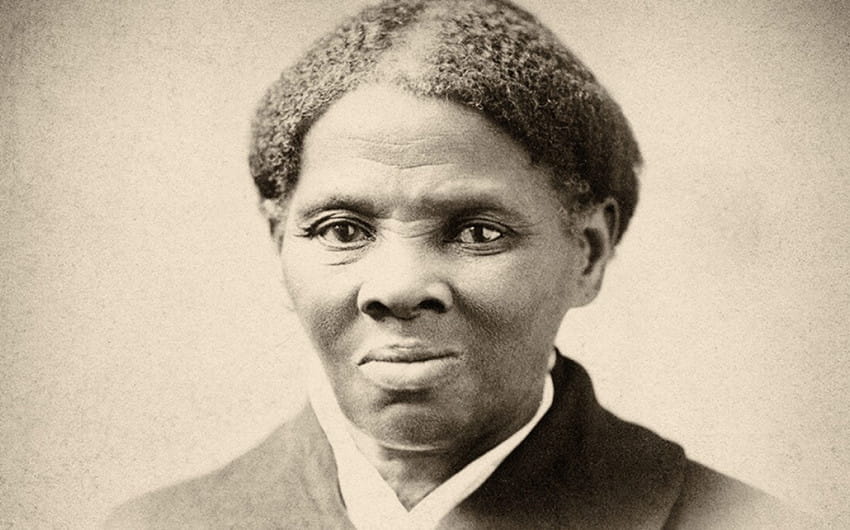
If you’re searching for harriet tubman husband, you’re probably trying to understand a part of her life that often gets skipped in quick biographies. Harriet Tubman did marry—twice—and both relationships reveal how complicated love, freedom, and survival could be in her time. The full story includes her first husband, John Tubman, who stayed behind when she escaped slavery, and her later marriage to Nelson Davis after the Civil War.
Harriet Tubman’s first husband was John Tubman
Harriet Tubman was born Araminta “Minty” Ross in Maryland, and she married a man named John Tubman in 1844. John was a free Black man, which is an important detail because it shaped the power imbalance in their marriage from day one. Harriet was still enslaved, meaning she could be forced to work, moved, or sold regardless of what she wanted. Even her marriage did not protect her from being treated as property under the law.
That contrast—John being legally free while Harriet was legally enslaved—creates the first big misunderstanding people have when they hear “Harriet Tubman’s husband.” It sounds like a normal marriage arrangement, but it wasn’t. Harriet could not simply choose a life with him the way a free woman could. Her time, her labor, and her future were controlled by someone else.
What marriage looked like when one spouse was enslaved
To understand why Harriet’s first marriage ended the way it did, you have to understand what marriage meant under slavery. Enslaved people were not protected by the same legal and social rules as free people. Families could be separated without warning. Husbands could be sold away from wives. Wives could be sold away from husbands. Children could be sold away from both.
Even if Harriet and John cared for each other, the structure around them was designed to break stability. Harriet still had to obey the demands of the people who enslaved her, and if they chose to sell her, her marriage could become meaningless overnight. That constant threat shaped the choices she eventually made—especially her decision to escape.
Harriet’s escape and the moment everything changed
Harriet Tubman escaped slavery in 1849. In many tellings, her story is presented as fearless and straightforward: she left and never looked back. The truth is more complicated. Leaving meant stepping into danger, uncertainty, and loneliness. It also meant leaving behind people she loved, including family members and her husband.
After she made it to freedom, Harriet did something that shows how real her marriage was to her at the time: she reportedly returned and tried to bring John with her. She even prepared for the journey the way someone would for a new start—planning for him to travel north and live as a free man beside her.
But John refused to go.
Why John Tubman didn’t go north with her
It’s easy, from a modern point of view, to judge John Tubman for not leaving. But the situation was terrifying and complicated. Going north meant uprooting his life, leaving familiar people and places, and risking retaliation. It also meant entering a world where freedom existed, but safety was never guaranteed.
John’s refusal did not stop with “I’m scared.” The larger heartbreak was that after Harriet escaped, John reportedly remarried. In other words, Harriet risked everything to try to build a free life and still hoped to bring her husband with her, only to discover he had chosen a different life path.
This is one of the most emotionally heavy details in her biography because it shows that Harriet Tubman’s courage did not make her immune to pain. The public remembers the rescues, the raids, and the bravery. But this part of the story reminds you she also carried personal loss that most people would find crushing.
Did Harriet Tubman and John Tubman have children?
There is no strong evidence that Harriet Tubman and John Tubman had biological children together. This matters because many people assume she had children simply because she was married. Tubman is known for rescuing family members and leading others to freedom, but her legacy is not centered on biological motherhood.
Later in life, Harriet did become a parent figure in other ways. That included caring for family members, opening her home to others, and eventually adopting a child in her second marriage. But as far as historians can tell, she did not have children with John Tubman.
Was Harriet Tubman still “married” to John Tubman after she escaped?
This is another detail that confuses people. In many cases, enslaved marriages weren’t recognized in the same legal way as free marriages, and the law did not exist to protect the family unit. When Harriet fled, she did not have the kind of legal process available to her that a free person might have used to formally end a marriage. John’s remarriage, meanwhile, signaled a clear shift: he was moving forward without her.
So while modern readers might ask, “Did she divorce him?” the more accurate question is, “How could she, given her status and the era?” Harriet’s life was built around survival and freedom work. Legal paperwork wasn’t the center of the story—escape and safety were.
What happened to John Tubman later?
Many accounts say John Tubman died in 1867. Reports often describe his death as violent, tied to a dispute in Maryland. The exact details can vary depending on the source, but the commonly repeated timeline places his death a couple of years after the Civil War ended.
What’s important is the broader point: John Tubman did not become a partner in Harriet’s freedom mission. Their relationship ended in separation, not because Harriet stopped caring about marriage, but because freedom demanded a different life than he was willing to live.
Harriet Tubman married a second husband: Nelson Davis
Harriet Tubman’s second husband was Nelson Davis (often listed as Nelson Charles Davis). This marriage happened much later, in a completely different America than the one Harriet escaped from. Harriet and Nelson were married in 1869 in Auburn, New York, where Harriet spent much of her later life.
Nelson Davis was a Civil War veteran who served with the United States Colored Troops. That detail matters because it places him inside the same larger fight for Black freedom—just in a different role than Harriet’s Underground Railroad work. Their marriage also happened after slavery had been abolished, meaning Harriet could finally live as a free woman with full control over her own home and choices.
How Harriet and Nelson built a life in Auburn, New York
By the time Harriet married Nelson, she had already lived several lives in one: enslaved worker, escapee, conductor on the Underground Railroad, Civil War nurse and scout, and a public figure in abolitionist circles. Auburn became her base for building stability, caring for family, and continuing community work.
In Auburn, Harriet was known for opening her home to others. She took in boarders, supported relatives, and helped people who needed a safe place to land. Some accounts say Nelson Davis boarded with Harriet for a time before they married. Whether you focus on that detail or not, the main point is clear: their relationship grew in the environment Harriet created—an environment built around protection, service, and resilience.
Did Harriet Tubman and Nelson Davis have children?
Harriet Tubman did not have confirmed biological children with Nelson Davis, but the couple adopted a daughter named Gertie in the 1870s (often listed as 1874). This adoption is a meaningful part of Harriet’s personal story because it shows she built family through care and commitment, not only through biology.
Adopting Gertie also fits Harriet’s broader life pattern. She repeatedly extended her definition of “family” to include people who needed help, safety, and love. In a way, adoption matched the spirit of her life’s work: bringing someone into freedom and giving them a chance to grow in peace.
Why Harriet Tubman’s husband story matters
Some people treat this topic like trivia: “Who was Harriet Tubman married to?” But it’s more than trivia. Her marriages reveal the emotional cost of her choices and the reality of relationships under slavery and racial violence.
Her first marriage shows how slavery could trap love inside a system designed to crush it. Harriet could not build a secure life with John because she was not legally allowed to own her own life. When she escaped, she did not just escape labor. She escaped a structure that would have kept her powerless forever.
Her second marriage shows a different reality. After the war, Harriet could finally choose partnership from a place of freedom. She could build a home, adopt a child, and live with a husband as a full person, not as someone whose body and future belonged to someone else.
Common misconceptions people have about her husbands
Because history often gets simplified for quick reading, a few misunderstandings pop up again and again:
- Misconception: Harriet’s husband was also part of the Underground Railroad work.
Reality: John Tubman did not join her freedom mission and refused to flee north with her. - Misconception: Harriet had many children with her husband.
Reality: She did not have confirmed biological children, but she did adopt a daughter later. - Misconception: Marriage protected Harriet from being sold or separated.
Reality: Enslaved marriages were vulnerable to forced separation and had limited legal protection.
Understanding these points doesn’t make Harriet’s story less inspiring. It makes it more real. Her courage becomes even more powerful when you recognize what she gave up and what she endured.
The simplest, clear answer
So here’s the straightforward answer to the question: Harriet Tubman’s first husband was John Tubman, whom she married in 1844 before escaping slavery in 1849. Later, she married Nelson Davis in 1869 in Auburn, New York, and they adopted a daughter named Gertie. Her marriages reflect both the heartbreak of slavery’s disruptions and the possibility of rebuilding life after freedom.
image source: https://www.kpbs.org/news/2022/09/30/harriet-tubman-visions-of-freedom
