Harriet Walter’s Husband: Guy Paul, Their Late Marriage, and Life Together Today

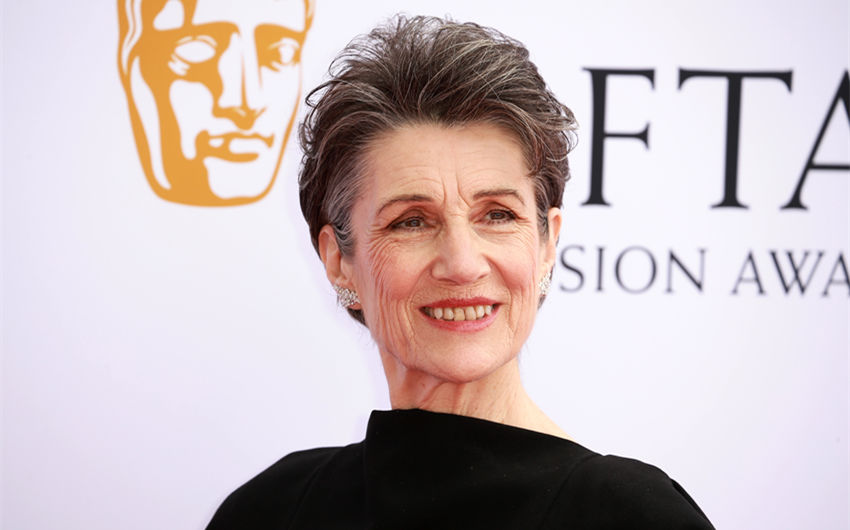
If you’re searching “Harriet Walter husband,” you’re looking for one clear answer: Dame Harriet Walter is married to actor Guy Paul. They married in 2011, and she has spoken openly about how marrying later in life suited her far more than the traditional timeline people expect.
Who is Harriet Walter?
Dame Harriet Walter is an acclaimed English actor whose career spans decades across stage, film, and television. She’s long been respected for her classical theatre work, particularly with Shakespeare and major stage productions, and a wider TV audience has come to recognize her through high-profile roles in prestige series such as Succession, Killing Eve, and The Crown. She’s also known for portraying formidable, sharp-minded characters—often women with authority—while speaking candidly in interviews about aging, work, and the realities behind public success.
Who is Harriet Walter’s husband?
Harriet Walter’s husband is Guy Paul, an American actor. He has worked in film, television, and theatre, and his name sometimes appears in professional credits simply as “Guy Paul.” In biographical sources, you may also see references to “Guy Schuessler” connected to him, but “Guy Paul” is the name most commonly associated with his acting work and his marriage to Walter.
When did Harriet Walter marry Guy Paul?
Harriet Walter married Guy Paul in 2011. That detail tends to stand out because it wasn’t a “young starlet” marriage story—it was a later-in-life decision, made with the self-knowledge that often comes only after you’ve lived enough to understand what you truly want in a partner and in a day-to-day life.
Harriet Walter’s relationship before marriage
Before marrying Guy Paul, Harriet Walter was in a relationship with the British actor Peter Blythe. Their relationship lasted for years and ended with Blythe’s death in 2004. In interviews and biographical accounts, this period is often described as significant in her personal life, particularly because it shaped the quieter chapters that followed and the way she speaks about companionship and love later on.
Why her later marriage became part of her public story
Harriet Walter has talked about the surprising freedom of marrying later: fewer illusions, fewer “shoulds,” and more clarity about what real companionship looks like. Rather than a dramatic, whirlwind narrative, her version of love reads like something chosen calmly and consciously—two adults deciding they want to build a life that feels supportive and enjoyable, not performative.
That perspective resonates because it pushes back against a loud cultural message that romance has an expiration date. Walter’s story—marrying at a stage where many people assume your life is “settled”—quietly argues the opposite: sometimes you settle into yourself first, and only then do you choose the right person.
What Guy Paul does and why he’s less publicly visible
Guy Paul is an actor, but he is not a tabloid-facing celebrity in the way some spouses of famous people become. Even when you look up his work, the footprint is professional rather than publicity-driven. That tends to create the same pattern you see with many stage and character actors: steady credits, serious craft, and a comparatively low appetite for constant public exposure.
In a marriage where one partner is frequently interviewed, photographed, and discussed, that lower-profile approach can be an advantage. It keeps the relationship from turning into a spectacle and lets the public focus on Walter’s work rather than treating her private life like an open forum.
What their life together seems to prioritize
From what Walter has shared publicly, her marriage appears built around companionship in the most practical sense: having someone to travel with, share daily life with, and move through a busy career without feeling alone in it. That kind of partnership isn’t flashy, but it’s often the most durable—especially for people who’ve already lived through demanding schedules, personal loss, and the hard-earned understanding that love isn’t proven by intensity, but by consistency.