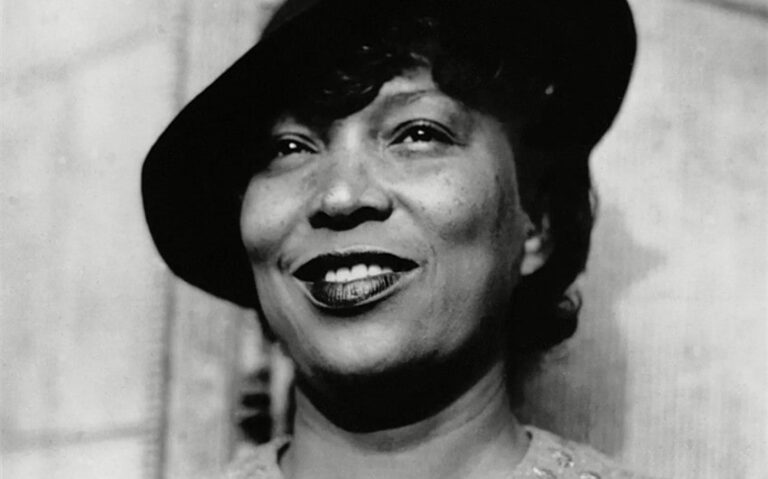
Naomi Judd Net Worth in 2026: Estimated Wealth and How Her Estate Earns


Naomi Judd’s net worth is still widely discussed because her career created long-lasting value. She didn’t just have a hit era and disappear—she helped build one of country music’s most recognizable catalogs, then expanded into books and media that kept her name (and income) active for decades. Because Naomi Judd died in 2022, most “net worth” figures you see today refer to what she was estimated to be worth at the time of her death and what her estate may still be worth as royalties continue.
Who Is Naomi Judd?
Naomi Judd was an American country singer, songwriter, actress, producer, and author. She rose to fame as one half of The Judds, the duo she formed with her daughter, Wynonna Judd. The Judds became a defining act in country music, known for a run of major hits and a legacy that still resonates. Naomi later became a public voice on personal resilience and mental health, and she worked in writing and television beyond music. She died on April 30, 2022, at age 76.
Estimated Naomi Judd Net Worth
As of 2026, Naomi Judd’s net worth is most commonly cited at about $25 million. Because she passed away in 2022, this figure is generally understood as an estimate of her net worth around the time of her death and is often treated as a proxy for the baseline value of her estate.
It helps to read that number correctly. Net worth is not the same as “career earnings.” It is a snapshot of assets minus liabilities. It’s shaped by taxes, management and legal costs, lifestyle spending, and how much income was converted into assets such as property or investments. For musicians, net worth can also be heavily influenced by intellectual property—song rights and royalty streams that may keep generating income long after the artist is gone.
Net Worth Breakdown
1) The Judds Catalog: The Core Wealth Engine
The biggest driver of Naomi Judd’s wealth was The Judds’ music success. Country music legends often build wealth in layers: records sell, tours expand, television appearances grow, and then the catalog becomes the long-term asset. The Judds’ songs didn’t just make money during their peak years; they remained valuable because the catalog became part of country music history.
When people talk about the lasting value of a music career, they’re usually talking about royalties. Royalties can come from streaming, radio play, licensing, compilation albums, and re-releases, depending on how rights were owned and how contracts were structured. That’s why a successful catalog can keep producing income even after the artist stops recording or touring. For Naomi Judd, the catalog is likely the central reason her net worth estimate remains strong years after her death.
2) Touring and Live Performances: Big Money With Big Costs
Touring is often the highest-earning part of a music career, especially when an act reaches superstar level. During The Judds’ most successful years, live performance income would have been a major contributor. But touring also comes with heavy expenses. Production, travel, crew, promotion, insurance, and venue splits can take a significant share of gross revenue.
That’s why touring can look like “huge money” from the outside while the profit depends on deal structure and costs. Still, consistent touring during a peak run often provides the capital that later becomes long-term wealth through saving, investing, and asset purchases.
3) Books and Publishing: Income Beyond Music
Naomi Judd also earned as an author, which matters because publishing can create a steady income stream that doesn’t depend on being onstage. Book deals often include advances and royalties, and successful titles can keep selling for years. Publishing also strengthens a public figure’s platform, which can lead to more media opportunities and paid speaking work.
This income category typically isn’t as large as a blockbuster music run, but it can be a meaningful stabilizer, especially later in life when touring slows down.
4) Television and Entertainment Work: A Supporting Revenue Stream
Naomi appeared in television projects and entertainment programming beyond her music career. For well-known artists, television work can generate direct pay while also boosting visibility, which tends to lift catalog listening, book sales, and demand for appearances. Acting and television income is usually project-based, meaning it comes in bursts rather than as one consistent paycheck, but over time it can add meaningfully to total wealth.
5) Public Speaking and Appearances: Monetizing Reputation
Naomi Judd’s public profile extended beyond music into advocacy and speaking. Speaking engagements can pay well for public figures, especially when the person’s story resonates with audiences. This kind of income can continue even when touring or recording slows, making it a valuable lane for long-term financial stability.
In many cases, speaking is part of a broader ecosystem: appearances, interviews, event hosting, and partnerships that rely on reputation and name recognition.
6) Estate Royalties After Death: Why the Conversation Continues
Since Naomi Judd died in 2022, her estate is the entity that receives ongoing royalty income tied to her work. Royalties can continue for decades when music remains popular and widely licensed. For a catalog with The Judds’ level of cultural recognition, ongoing streaming and country radio nostalgia can keep the income flowing long after an artist’s passing.
That said, estate value can change. Royalties fluctuate with listening trends, licensing opportunities, and how rights are managed. Public estimates cannot see the details of ownership splits, private contracts, or estate expenses. That is why the $25 million figure should be treated as a reasonable, widely circulated estimate rather than a precise accounting statement.